
Running a Sex Offender Check in Natchitoches Parish
The official local starting point is the Natchitoches registry interface. It is the parish view of the state system, not a separate private list. A person who lives, works, or attends school in the parish reports through the sheriff, and that data goes to the Louisiana State Police Bureau of Criminal Identification and Information. Search by a known name when checking one person. Use geographic tools when the concern is a home, school route, or neighborhood.
The statewide parish selector helps when the correct parish is uncertain. The U.S. Department of Justice national search adds other states and participating jurisdictions. None of these public tools replaces a certified court judgment. A profile can identify the conviction that caused registration, but the Clerk of Court remains the source for the filed case and disposition.
Parish Registration and Verification
The Natchitoches Parish Sheriff is the local registration agency. Louisiana requires registrants to report in each parish where they reside, work, or attend school. The sheriff receives the identifying, residence, employment, vehicle, and offense data required by law, performs local verification, and forwards it to the central registry. A move or other reportable change can therefore affect what the public sees.
Verification is not the same as continuous tracking. A listed address reflects reported and verified information at the time shown. If a profile appears stale or a person seems to be out of compliance, contact law enforcement rather than confronting anyone. Emergencies still belong with 911. Registry tips should give the profile name, listed location, observed concern, and date without broadcasting sensitive claims on social media.
Searching the Louisiana State Sex Offender and Child Predator Registry
The Louisiana registry overview explains the state program and links the public to official search tools. The interface may use the generic label “county” even though Louisiana uses parishes. Select Natchitoches Parish when a parish filter is offered, then narrow only as much as the known facts support.
- Open the official registry and read the conditions of use.
- Enter a name or choose Natchitoches Parish, a city, ZIP code, address, or map area.
- Compare photos, aliases, age, physical details, and locations so a shared name is not mistaken for a match.
- Open the complete profile and note the offense, tier, status, address, and last verification information.
| Field Label | Type | Required | Notes |
|---|---|---|---|
| Last Name | Text | No | Useful for a known person; compare aliases. |
| First Name | Text | No | Combine with other identifiers. |
| City or ZIP | Text/select | No | Narrows a geographic search. |
| Parish | Select | No | Choose Natchitoches; a national interface may say county. |
| Address or Map | Map | No | Use for neighborhood awareness; exact radius values may change. |
Official Registry Search Screens
Louisiana’s official registry program page identifies the state authority and public-safety purpose.
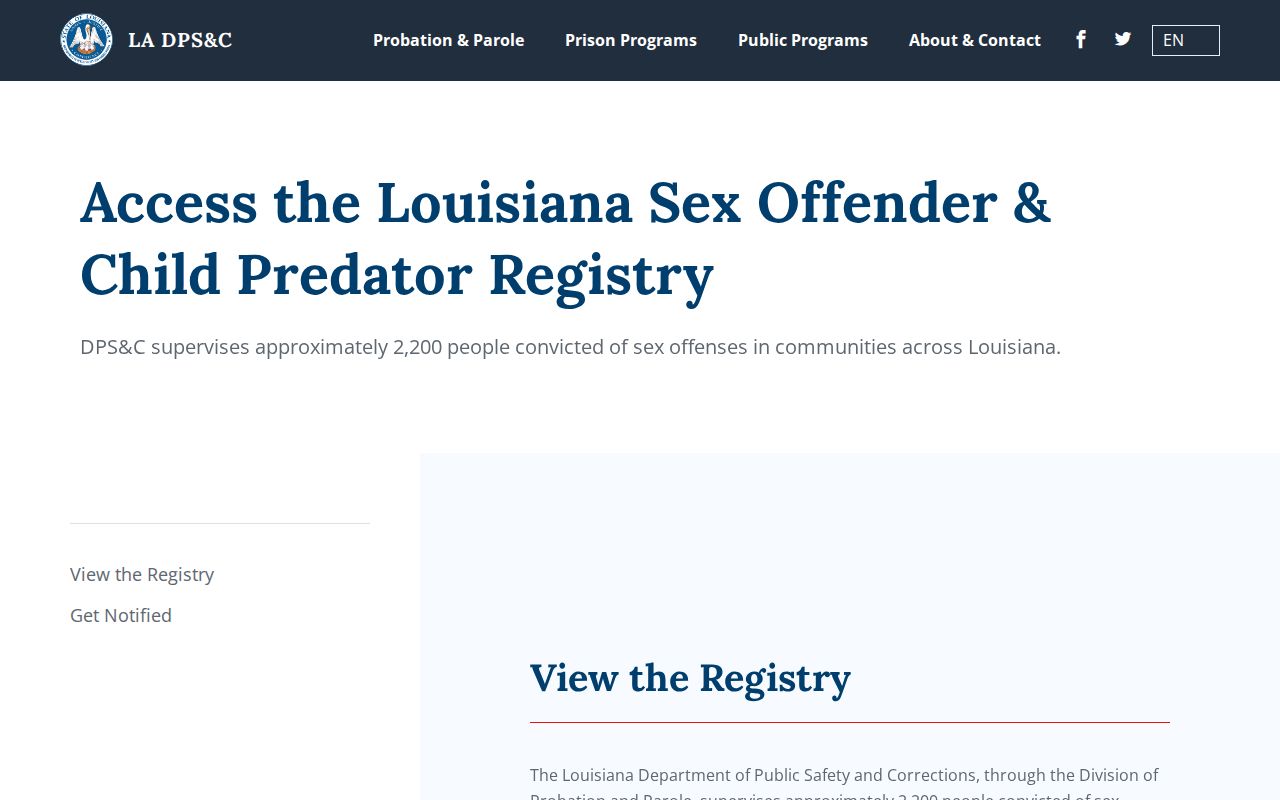
The state page helps distinguish an official registry check from a commercial people-search result. For a broader address history, the National Sex Offender Public Website searches participating jurisdictions.
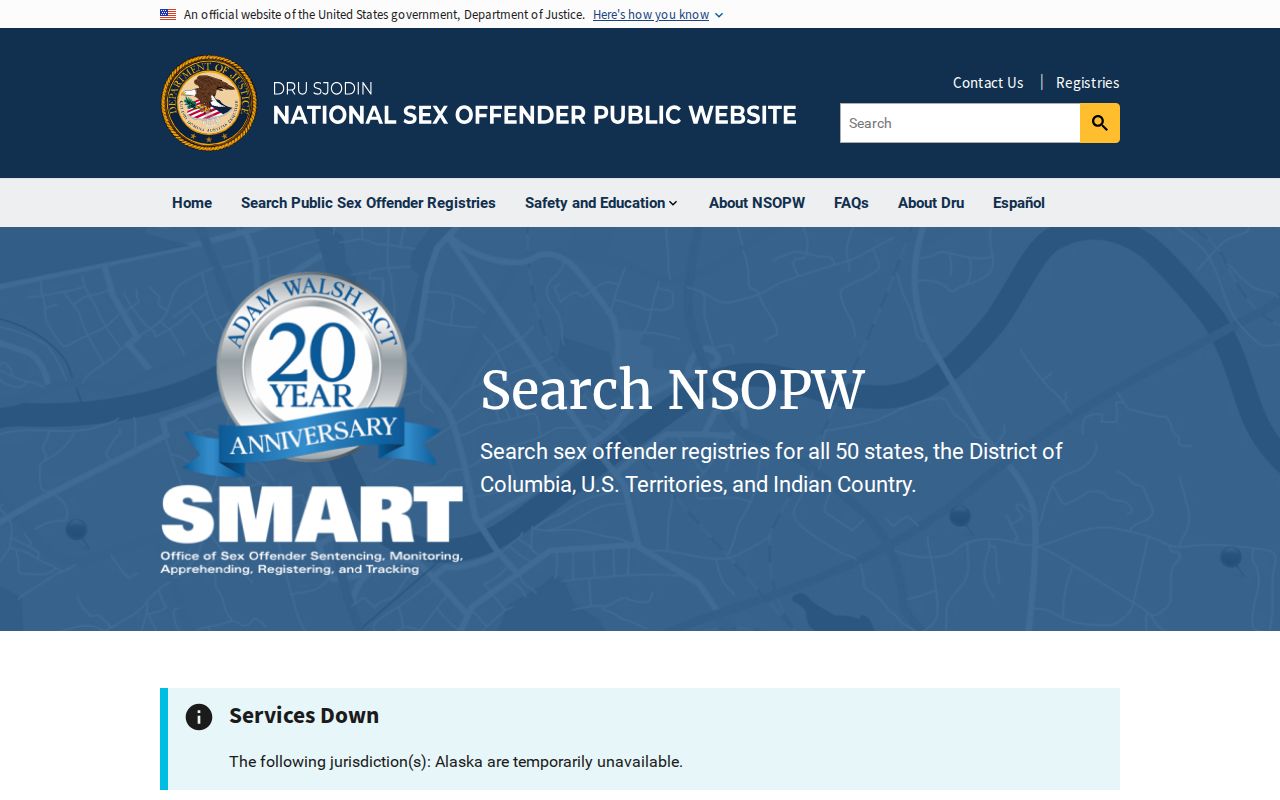
The national tool is most useful when a person may have moved across state lines. Return to the Louisiana or parish profile for local registration details.
What a Registry Profile Shows
Louisiana law makes a broad safety profile public while withholding sensitive items such as Social Security numbers, victim names, phone numbers, travel or immigration documents, online identifiers, and arrests that did not result in the registrable conviction. Read the profile as a current registration record, not as a complete rap sheet.
| Name & Aliases | Legal name and reported aliases used to distinguish identities. |
|---|---|
| Photo & Physical Description | Photograph plus reported sex, race, age or birth data, height, weight, hair, eyes, and marks when published. |
| Registered Address | Reported residence and other locations the statute makes public. |
| Offense & Statute | Registrable conviction, jurisdiction, date, and legal citation when supplied. |
| Level / Tier | Louisiana tier tied to offense classification and registration term. |
| Registration Status | Compliance or absconder information and verification data when available. |
A street match alone is not enough to identify someone. Compare the image and physical details, then check dates and aliases. If the offense entry needs legal context, request the court disposition from the clerk that handled the conviction.
Local, State, and National Results
The parish interface is best for Natchitoches-focused monitoring because it reflects the local registration agency. The statewide interface helps search across Louisiana parishes. NSOPW reaches participating state, territorial, and tribal registries, but its result detail still comes from the contributing jurisdiction. A no-result response can mean the search terms were too narrow, the person is registered elsewhere, or the jurisdiction did not return a matching public record.
Try spelling variants and aliases rather than assuming that one query is final. For a location search, test the street address and a broader city or ZIP search. Registry data changes as agencies receive and verify updates. Save the profile URL and the access date when using information for a personal safety plan, then confirm urgent concerns with the sheriff.
Registration Requirements and Levels in Louisiana
Louisiana uses three statutory tiers. The offense controls the classification, and special rules can affect duration or reporting. The table gives the standard framework reflected in R.S. 15:544: Tier I generally registers for 15 years, Tier II for 25 years, and Tier III for life. Louisiana’s in-person periodic renewal rules are separate from duties to report changes promptly.
| Tier | Standard Duration | Periodic Registration |
|---|---|---|
| Tier I | 15 years | Annual renewal |
| Tier II | 25 years | Every six months |
| Tier III | Lifetime | Every three months |
Do not infer risk from tier alone. It is a legal category based chiefly on the qualifying offense. The profile and court judgment provide better context than a label by itself.
Natchitoches Community Alerts
R.S. 15:542.1.5 requires an Internet registry and public alert functions. Address-based alerts can help residents learn of published changes near a place they choose. An alert is a notice to review official data, not proof of a new offense. Confirm the profile, date, and jurisdiction before acting on it.
Families can use registry results as one part of a wider safety plan. Discuss boundaries, trusted adults, and safe routes without treating a map pin as a full measure of danger. Many offenses are committed by people not listed on a public registry. Awareness works best when paired with ordinary precautions and direct reporting of suspicious conduct.
Lawful Use and Community Notification
The registry exists for public awareness and safety planning. It does not authorize harassment, threats, trespass, vigilantism, or unlawful discrimination. Do not contact a registrant or household based solely on a search result. Report an apparent violation to law enforcement and preserve the profile details that prompted the concern.
Use registry information responsibly: Louisiana warns that misuse of registry information to threaten, intimidate, or harass a registrant or household can lead to criminal or civil consequences. Registry information also cannot be used to make decisions barred by law.
Confirm the Underlying Conviction
A registry entry gives a public summary, not the whole prosecution file. When the precise judgment matters, use the court and clerk named in the profile. The filed record explains the statute, plea or verdict, sentence, and later court action. Ask for a certified disposition instead of relying on a screenshot. The registry remains the source for current registration status, while the court remains the source for the case result.
Registry publication and LACCH access follow different laws. A public profile does not open a person’s entire Louisiana rap sheet. R.S. 15:587 limits statewide criminal-history dissemination, and the fingerprint-based Right to Review is for the subject’s own record.